Endodontics Treatment for Tooth Pain
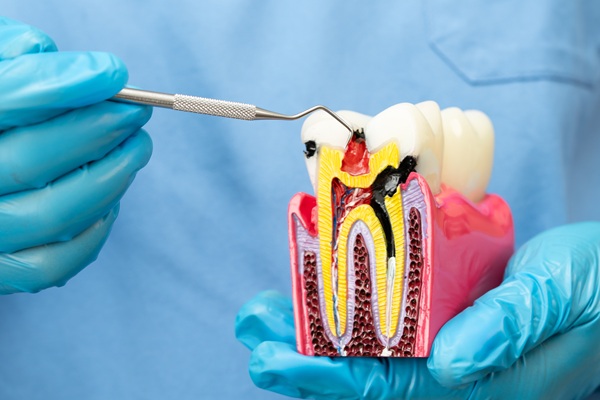
Endodontics treatment, which is the treatment of the tooth's inner pulp and structures, is one of the most efficient ways to save decaying or damaged teeth. Many individuals, however, get anxious when they learn they need it. This is mostly due to the widespread misconception that undergoing endodontic treatment is unpleasant. It is incorrect — today's anesthetics are quite effective at numbing pain during procedures, and modest pain medications like ibuprofen are typically enough to treat any discomfort that may arise after.
Endodontics treatment for toothache
A root canal procedure, in reality, alleviates tooth pain resulting from decay. The pulp, which includes bundles of nerves and blood arteries, may get infected as decay progresses. The patient will experience pain and infection once these nerves are attacked. The discomfort might become more severe if the infection spreads to the root canals, which are tunnels in the tooth's roots. The tooth is at risk of falling out because the infection has harmed the root and connective tissues that support the tooth.
If a dentist recommends root canal therapy, the tooth will have a high chance of surviving after it is cleaned and the decay is removed. However, it is important to get the treatment immediately as it increases the chances of a favorable result.
During the endodontic treatment, the dental professional will reach the pulp by drilling a tiny access hole on the biting surface or the back of a front tooth. They will remove any contaminated or infected tissue once they reach the pulp chamber. To avoid future infection, they will disinfect the empty chamber and canals and fill the space with a specific filler (typically gutta-percha) after a thorough cleaning. The access hole is then sealed. The dentist will suggest that a permanent crown be placed over the treated tooth at a later appointment to ensure further protection against tooth deterioration.
What to expect after an endodontic treatment
The nature of the issue and its severity will determine how a patient feels after endodontics treatment. Most endodontic treatments are performed as outpatient procedures (meaning patients can return home afterward). Following a root canal procedure, minor pain may occur. Some individuals can return to their routine the same day.
For a few days following the treatment, the tooth may feel sore. The dentist may recommend medications to relieve pain, combat infection, or aid healing. It is important to follow the dentist's advice to ensure that the tooth recovers properly.
The bottom line
A strong or chronic toothache might seem like it takes over your life until you get it addressed. If left untreated, it may potentially be dangerous to your health. The dentist will identify the cause of tooth discomfort, such as infection. Many patients benefit from endodontics treatment since it relieves their tooth discomfort for good. It also can help you keep your natural tooth. If you are experiencing persistent tooth pain, make an appointment with our dental office to explore your treatment options.
Request an appointment here: https://dentalassociatesofbuckhead.com or call Buckhead Atlanta Dentistry at (404) 882-8150 for an appointment in our Atlanta office.
Check out what others are saying about our services on Google: Endodontics in Atlanta, GA.
Related Posts
Dental crowns and onlay are two effective smile restorative options. However, sometimes, people use the two terms interchangeably when they have distinct characteristics. Knowing the difference between the two restoratives can help better prepare you for an upcoming consultation.Dental crowns, or caps, are restoratives that completely enclose a vulnerable or damaged tooth. They comprise zirconium,…
Maintaining dental fillings helps keep a tooth strong and protected long after placement. Although these restorations are durable, they do not last indefinitely, and small physical changes often indicate an immediate need for repair. Timely attention to these changes preserves the natural tooth and prevents the need for much more complex dental procedures.Dental fillings comprise…
You can get a dental crown for many reasons. Regular dental filling cannot repair excessive dental decay or damage. For this, the dentist will need a cap. Understanding the process of having a crown will enable you to prepare for the treatment. Here are the details about the dental crown treatment processThe dentist will take…
A dental crown is a tooth-shaped cap that reinforces, repairs, or replaces badly damaged teeth. It is one of the strongest and most versatile dental restorations. In addition to its role in tooth replacement, a dentist may recommend a crown when a tooth is so badly damaged that more minor restorations, such as fillings and…